
22 Jun Tenant Fees Act: Here’s what you need to know
It has been a few weeks since new legislation has come into play, shaking up the rental market for landlords, tenants and lettings agents alike.
The changes have been in the pipeline for a few years, but you may be asking yourself: why has the government decided to step in with these new laws? For one, according to the ONS, the number of households in the private rented sector in the UK increased from 2.8 million in 2007 to 4.5 million in 2017, an increase of 1.7 million (63%). As the sector grows, so have the concerns of tenants – Citizens Advice estimate they have collectively been paying £13m a month in fees.
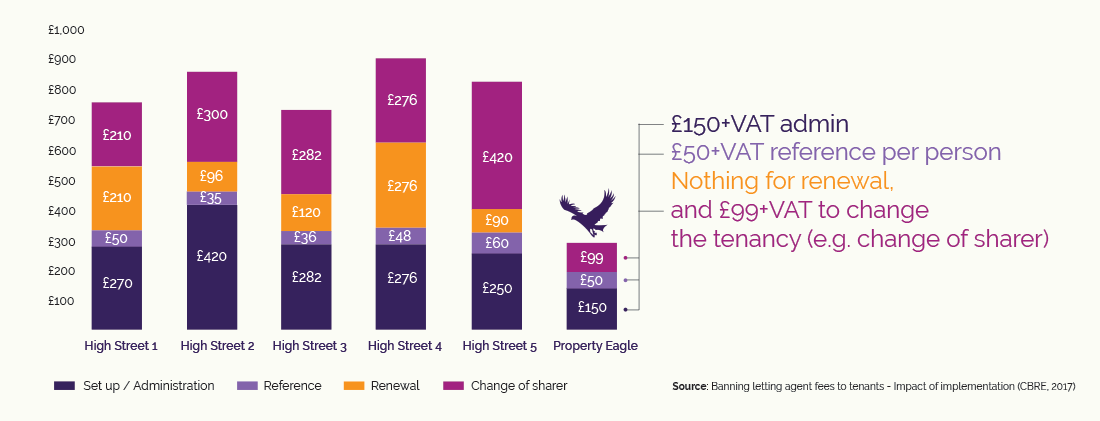
Therefore, the ‘Tenant Fees Act’ has been introduced as it provides security and clarity for tenants and prevents landlords and agents from billing fees outside of what is permitted. Based on the figures above, it is anticipated to have a wide-reaching impact. In line with government guidance, from 1 June 2019, the only payments that landlords or letting agents can charge to tenants for new contracts are:
- rent
- a refundable tenancy deposit capped at no more than 5 weeks’ rent where the total annual rent is less than £50,000, or 6 weeks’ rent where the total annual rent is £50,000 or above
- a refundable holding deposit (to reserve a property) capped at no more than 1 week’s rent
- payments associated with early termination of the tenancy, when requested by the tenant
- payments in respect of utilities, communication services, TV licence and Council Tax
- a default fee for late payment of rent and replacement of a lost key/security device giving access to the housing, where required under a tenancy agreement
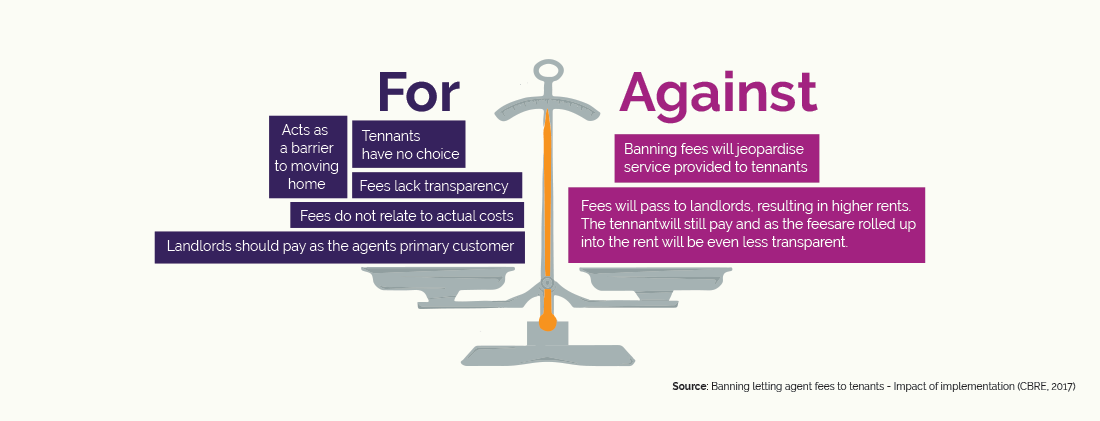
Although it is still early days, there is much debate on how the Act will play out in the market and whether it represents a step in the right direction for the parties involved. Some analysts have commented that these changes will mean agents face higher costs and, consequently, the dilemma to either absorb or pass them on. The former would result in pressure on smaller lettings companies, potentially increasing the risk of business closures and job losses. On the other hand, passing on the burden to landlords could result in a rise of rental prices across the country.
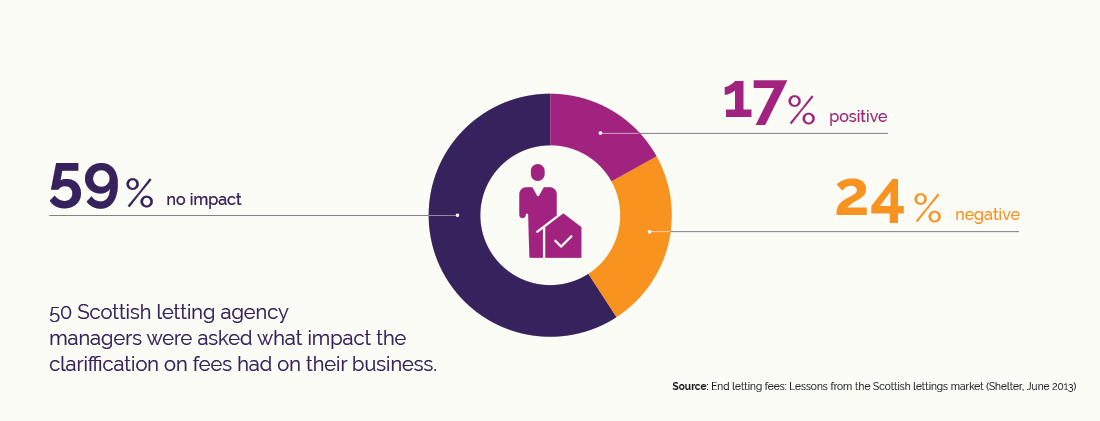
One might ask if these concerns are unfounded, as Scotland introduced a similar Tenant Fees Ban back in 2012. According to independent research commissioned by the housing charity Shelter, the increases in rent following the introduction of the ban were “small and short-lived”. The findings further highlight that less than one in five (17%) of letting agency managers said they had increased fees to landlords and the majority (70%) of landlords in Scotland who use agents had not noticed any increase in fees since 2012. Only one landlord in 120 surveyed said they had noticed an increase in agency fees and had passed this on in full to their tenants.
In summary, the ‘Tenant Fee Act’ is just another challenge for the private rental sector to overcome, reflecting wider uncertainty in the industry as a whole. Having said that, history paints a hopeful picture as the housing market has proven its ability to evolve in light of the many obstacles it has faced.
Here at Property Eagle, we have always prided ourselves on our transparency, particularly our commitment to clear and fixed fees. As such, it will be interesting for us to monitor the changes and trends which emerge from this new regulation over the course of the year. Stay tuned for more updates!

Sorry, the comment form is closed at this time.